01Easy
EmE minor
E1G♭3B5
Middle and ring finger on the 2nd fret of the A and D strings, then strum all six. Every string rings? That is your first chord.
In the keys of C major (iii) · G major (vi)
These 12 easy guitar chords are the ones almost every first song is built from: Em, Am, C, G, D, E, A, Dm, an easy F and three seventh chords. Each comes with a diagram, a finger tip and a sound you can play — in the order most teachers introduce them.

Tap a chord
Em · C · G · D — four easy guitar chords, hundreds of songs
These easy guitar chords are ordered by difficulty: add a new one only when the last rings clearly. Strum to hear the whole chord; “one by one” plays each string so you can find the one that buzzes.
Middle and ring finger on the 2nd fret of the A and D strings, then strum all six. Every string rings? That is your first chord.
In the keys of C major (iii) · G major (vi)
The E shape moved over one string, plus your index on the B string, 1st fret. Start the strum from the open A string.
In the keys of C major (vi) · G major (ii)
Ring finger on the A string, 3rd fret. Arch the fingers so the open G and high E ring; skip the low E.
In the keys of C major (I) · G major (IV)
Middle on the low E 3rd fret, index on the A 2nd fret, ring on the high E 3rd fret. Strum all six strings.
In the keys of C major (V) · G major (I)
A small triangle on the top three strings. Strum only four strings, starting from the open D.
In the keys of G major (V) · D major (I)
Em plus your index on the G string, 1st fret. All six strings ring.
In the keys of A major (V) · E major (I)
Three fingers side by side on the 2nd fret of the D, G and B strings. Skip the low E.
In the keys of D major (V) · A major (I)
Like D with the top note one fret lower: index on the high E, 1st fret. The sad cousin of D.
In the keys of C major (ii) · F major (vi)
Top four strings only. Your index lies flat across the B and high E strings at the 1st fret — a step towards the full barre.
In the keys of C major (IV) · F major (I)
Like G, but the index finger plays the high E string at the 1st fret. That one note pulls the ear towards C.
In the keys of C major (V7)
A C chord plus your pinky on the G string, 3rd fret. The classic bridge from C to F.
In the keys of F major (V7)
The A shape with the G string left open — two fingers and a bluesy sound. It leads naturally to D.
In the keys of D major (V7)
A few minutes of setup makes easy guitar chords sound right from day one.

Use a clip-on tuner before every session. A guitar slightly out of tune makes even perfectly fingered easy guitar chords sound wrong.
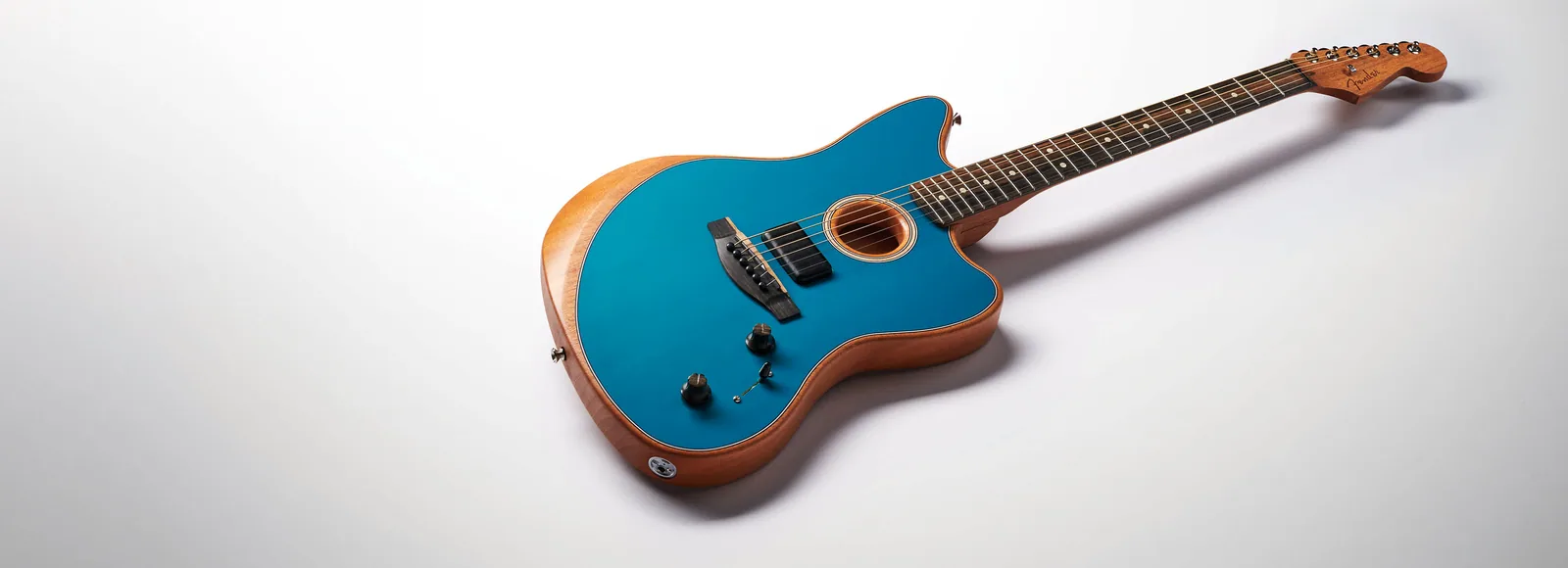
Keep fretting-hand nails short so fingertips land straight down. Rest your thumb behind the neck, roughly opposite your middle finger.
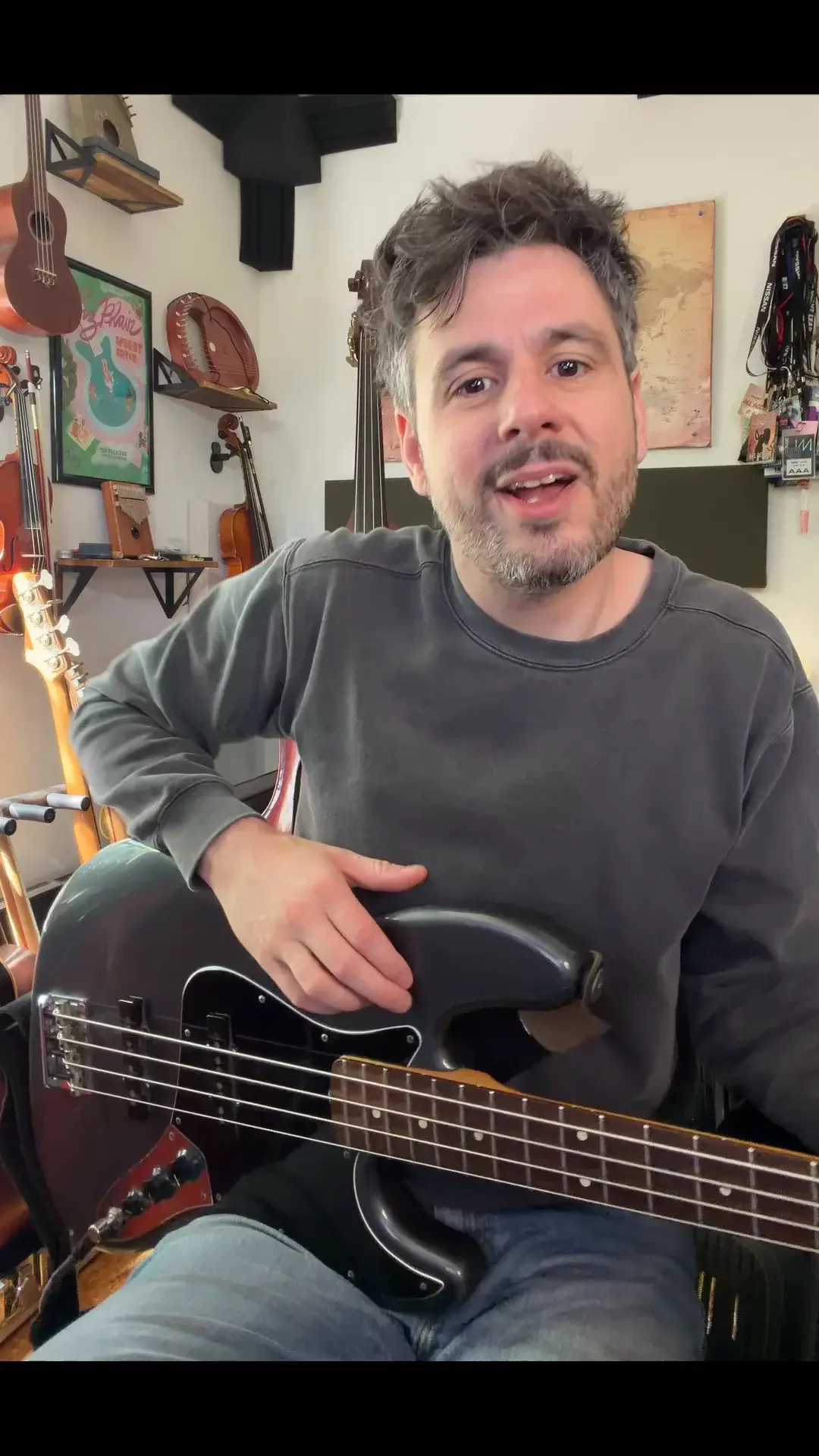
Rest the guitar’s waist on your right leg and angle the neck slightly upwards. Your fretting wrist stays relaxed and every fret is in reach.
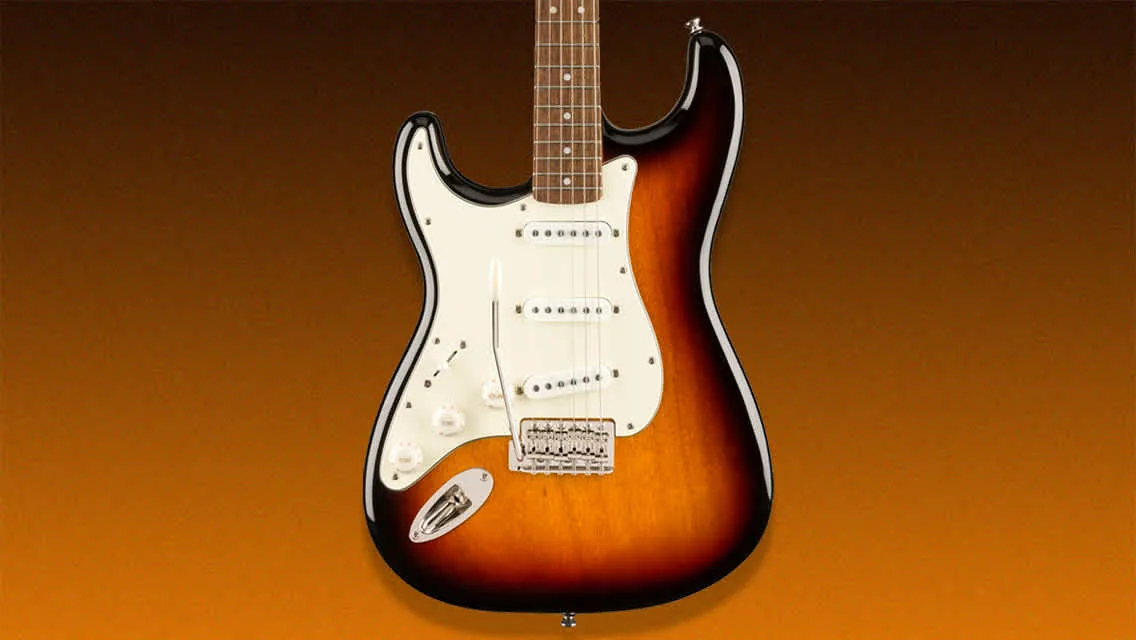
A 0.5–0.7 mm pick makes strumming easier. Strum from the wrist, not the elbow, and brush the strings lightly.
Songs are just chords in a loop. Press play, watch the highlighted chord and change when it does — four strums per chord. Every progression uses only the easy guitar chords above.
I–IV–V–I · G · 92 BPM
The changes behind countless folk and country songs.
vi–IV–I–V · G · 96 BPM
Start on Em and loop it — this order turns up in a huge share of modern pop.
I–vi–IV–V · C · 88 BPM
The doo-wop loop, with the easy F instead of the barre.
i–iv–V–i · Am · 84 BPM
The E major chord gives A minor its strong pull back home.
I–I7–IV–V7 · C · 92 BPM
C7 leans into F, G7 leans back to C.
F is the first real hurdle after the easy guitar chords. Take it in three steps — each shape below plays, so you can hear that they are all F.
Fmaj7
x-x-3-2-1-0
Leave the high E open. It sounds soft and dreamy, fits most places an F does in beginner songs, and trains the same three fingers.
F
x-x-3-2-1-1
Flatten your index over the B and high E strings. Roll it slightly onto its bony edge so both strings ring.
F
1-3-3-2-1-1
The E shape moved up one fret with your index as a new nut. Once it rings, every major chord on the neck is the same shape.
Ten to fifteen minutes a day is enough to learn these easy guitar chords. Each week adds three chords and one skill.
Every string rings clearly
Change chords within four beats
Minor keys and your first mini-barre
Play whole songs start to finish
Buzzing, muted strings and slow changes almost always come from one of these.
Press with the very tips and keep your knuckles bent so fingers don’t touch the next string.
Place the fingertip just behind the fret wire — it needs half the pressure.
Check the x marks: C and A start on the A string, D starts on the D string.
Keep the strumming hand moving even when the new chord is not ready. Rhythm first, clean notes second.
Ten minutes every day beats an hour on Sunday — fingertips toughen with daily repetition.
Every guitarist started with the same handful of easy guitar chords.
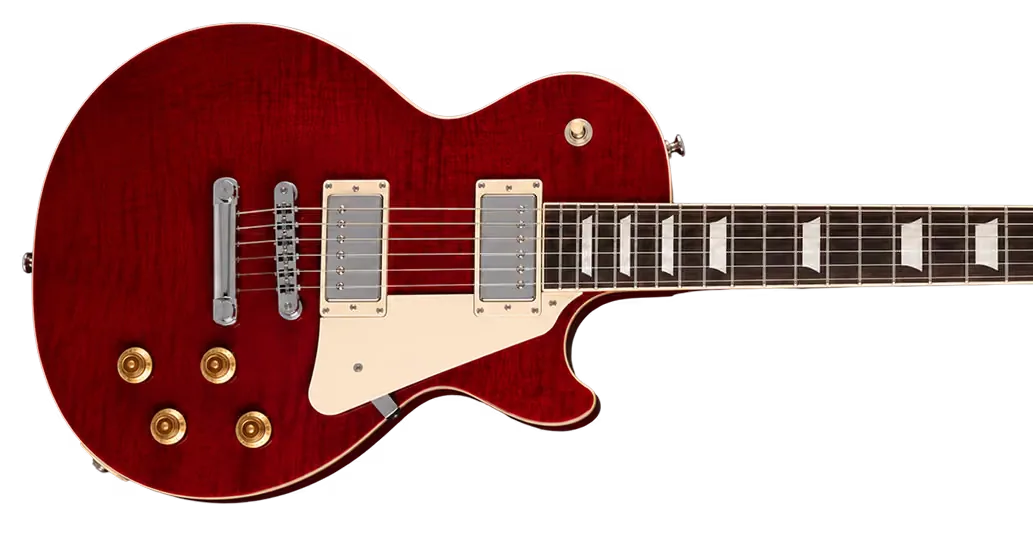


When all twelve feel comfortable, open the full guitar chord chart, browse the chord library, or build your own progressions.
Every chord, six instruments
Every root and chord type for six instruments, with diagrams and sound.
Open the chord library
Quick answers for new guitar players.
Once these easy guitar chords feel natural, the full guitar chord chart has diagrams and sound for every other chord.