C
C major
C · E · G
Bass chords for standard 4-string bass (E A D G): 84 shapes across 12 roots and seven chord types, each with a diagram, the notes it contains and a sound you can play. Start with root–fifth shapes, then add the third when you want the full chord.
E5 · root–fifth–octave
The shape most bass chords grow from
Choose a chord type to get all 12 roots. The first diagram is the easiest shape with the root lowest; “more shapes” moves the same bass chords up the neck. Tap a diagram to hear it.
Violet dots mark the root · x = don’t play the string · o = open string
C major
C · E · G
C♯ major
C♯ · E♯ · G♯
D major
D · F♯ · A
E♭ major
E♭ · G · B♭
E major
E · G♯ · B
F major
F · A · C
F♯ major
F♯ · A♯ · C♯
G major
G · B · D
A♭ major
A♭ · C · E♭
A major
A · C♯ · E
B♭ major
B♭ · D · F
B major
B · D♯ · F♯
The four strings of a bass sit one octave below the lowest four strings of a guitar. Tap a string or any fret to hear it.
Tap any fret to hear the note
Most bass lines outline a chord with two notes: the root and the fifth. The shape is the same on every string — learn it once and you can play the core of almost any chord.
G5
G · D · G
First finger on the root on the 4th string, third finger two frets higher on the A string — that is the fifth. Add your pinky on the D string for the octave: the classic root–fifth–octave shape.
C5
C · G · C
The same shape, one string higher. With the root on the A string the octave lands on the G string — home to countless rock and pop bass lines.
D5
A · D — the fifth under the root
The fifth also sits directly under the root: same fret, one string lower. Root on beat one, low fifth on beat three is the backbone of country, folk and two-beat grooves.
Full bass chords sound thick in the low register, so bassists usually spread the notes out. Hear the same C major shape played three ways.
C
C · E · G together
All three notes at once. Down low, the third and fifth crowd each other and turn muddy — save full bass chords for higher frets, solo spots and quiet songs.
C
C → E → G
The same notes one at a time. This is how bass chords are used most of the time: a groove or walking line that spells out the chord without blurring it.
G
G · B (a major tenth)
Root on the E string, third an octave higher on the G string. The wide gap keeps the low end clean — a favourite in soul and ballads.
The first shape of all 84 bass chords as fret numbers, from the 4th string (low E) to the 1st (G). Tap a cell to hear it.
| Root | Major | Minor | 7 | maj7 | m7 | sus4 | 5 (power) |
|---|---|---|---|---|---|---|---|
| C | |||||||
| C♯ | |||||||
| D | |||||||
| E♭ | |||||||
| E | |||||||
| F | |||||||
| F♯ | |||||||
| G | |||||||
| A♭ | |||||||
| A | |||||||
| B♭ | |||||||
| B |
Frets from low E to G · x = muted string · 0 = open string
The job a bass does in the band explains how bass chords are played.
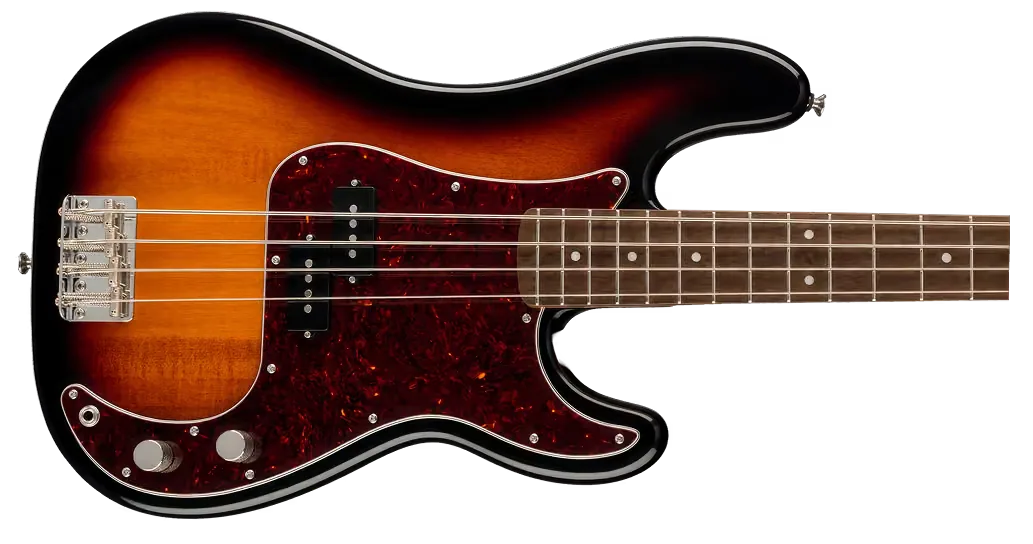
Early jazz and country bands used the double bass, tuned E A D G. In 1951 the Fender Precision Bass added frets and a guitar-style body, so bassists could play in tune at stage volume.
The bass locks in with the kick drum and plays the lowest note of each chord. We hear that note as the foundation, so a simple root–fifth line can carry a whole song.
Full bass chords appear in intros, ballads and funk, usually as two- or three-note shapes above the 5th fret, where the notes stay clear when they ring together.
A few habits and a decent setup make the difference between muddy and clear bass chords.
Use a clip-on tuner or the open strings above. An out-of-tune bass sounds far muddier in chords than in single notes.

Rest your fretting fingers lightly on the strings you skip and park your plucking thumb on the low E.
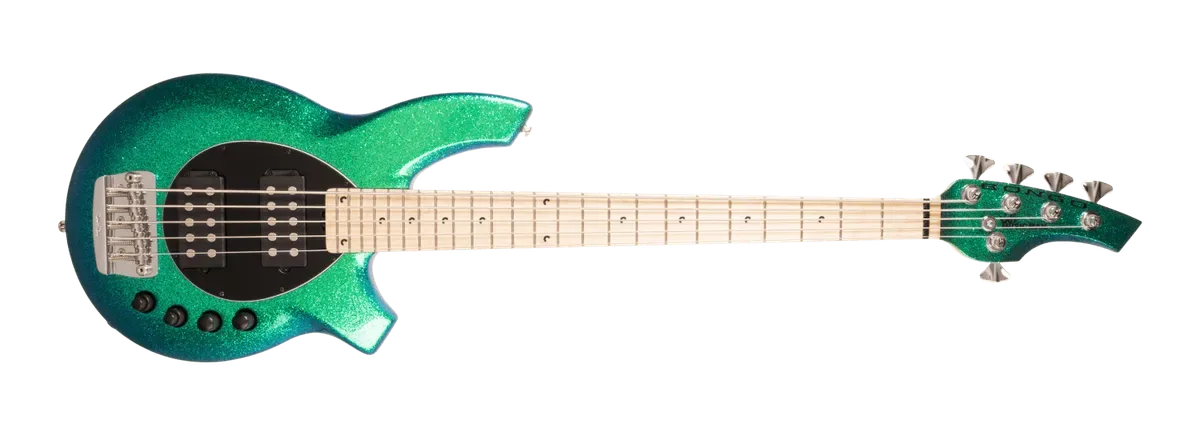
Most basses have a 34-inch scale. A 30-inch short-scale bass suits small hands, and the chord shapes stay the same.
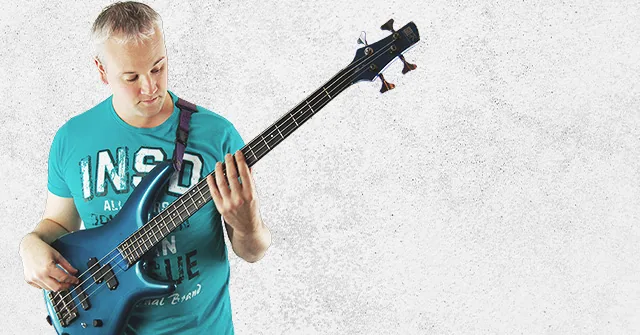
Play each root–fifth shape for four bars over a click. On bass, steady timing matters more than extra notes.
Every diagram on this page uses the same layout — read one and you can read all 84 bass chords.
On stage, in rehearsal or at home with headphones — the same few shapes do most of the work.

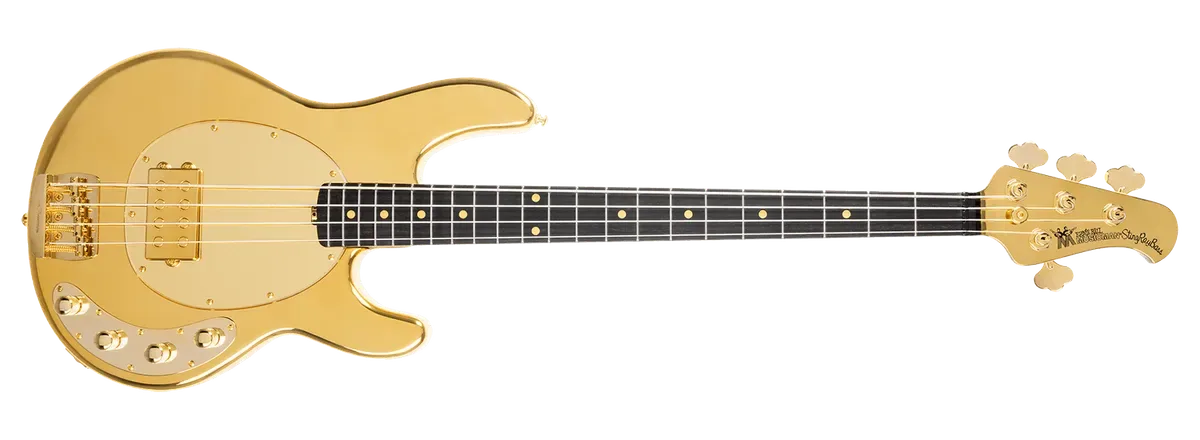

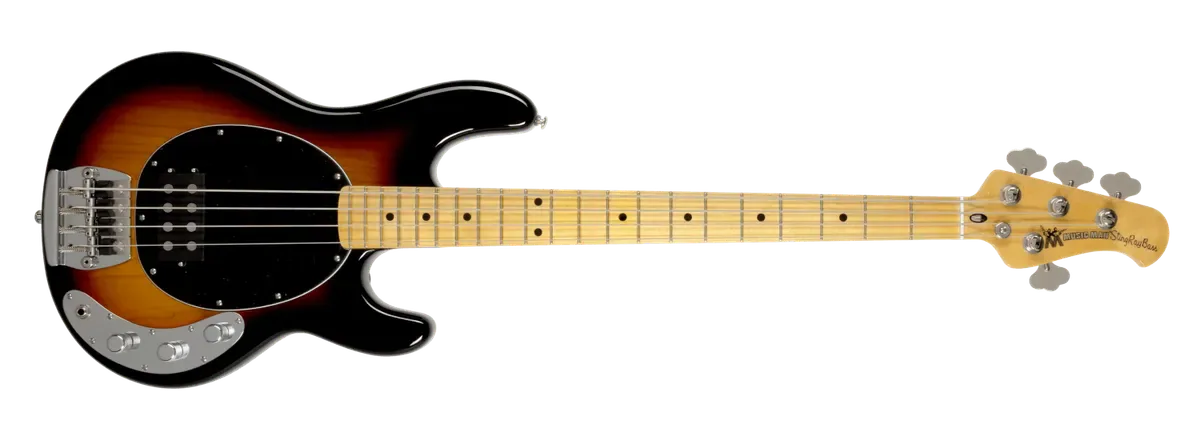

Learn the five beginner bass chords next, or open the chart for another instrument.
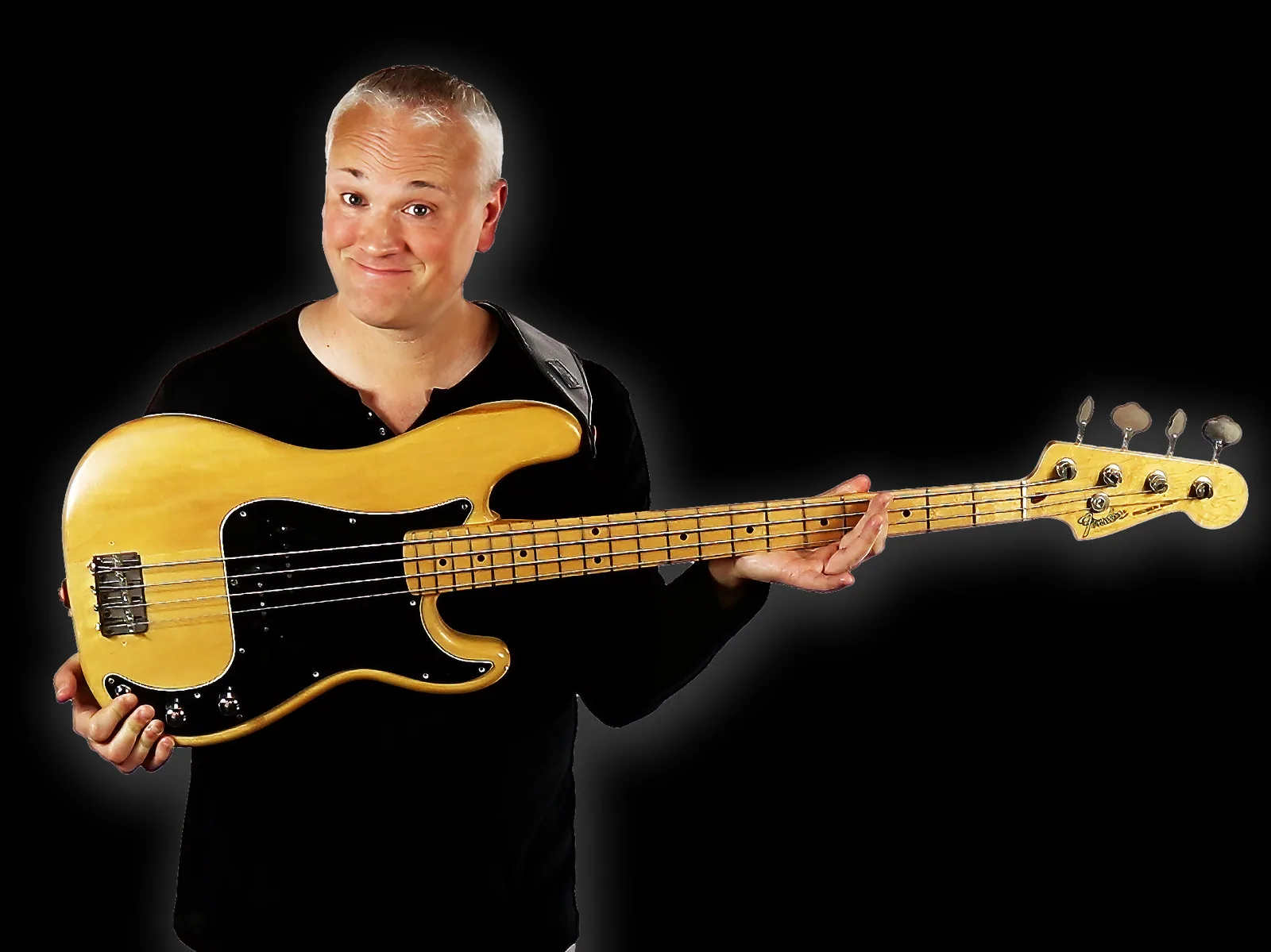
Root–fifth shapes for E, A, D, G and C plus a 4-week practice plan
Beginner bass chordsEvery chord, six instruments
Every root and chord type for six instruments, with diagrams and sound.
Open the chord library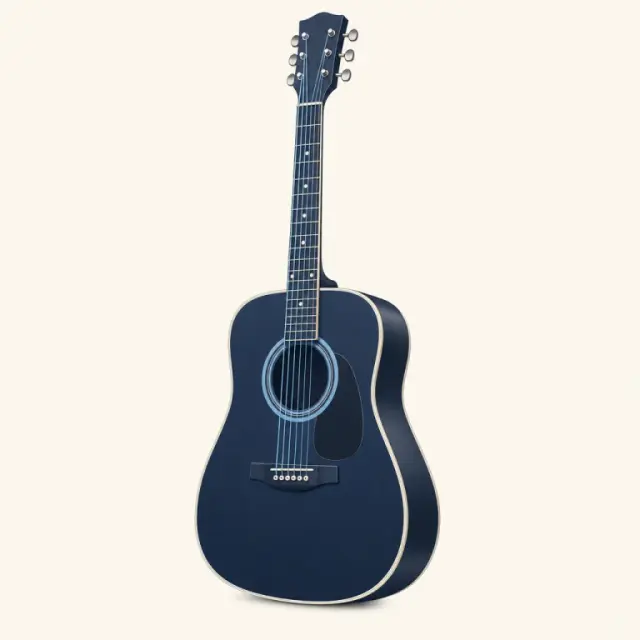
Short answers about playing chords on a bass guitar.
Five root–fifth shapes, four practice progressions and a 4-week plan.