C
C major
C · E · G
Banjo chords for 5-string banjo in open G tuning (g D G B D): 84 chords across 12 roots and seven chord types, each with a diagram, finger numbers, its notes and a sound you can play. The rolls below show how banjo players use them.
G major · open strings
Strum without fretting — open G tuning is already a chord
Pick a chord type to see all 12 roots. Each card opens with the easiest shape; “more shapes” moves the same banjo chords up the neck for vamping and backup. Tap a diagram to hear it.
Violet dots mark the root · x = don’t play the string · o = open string
C major
C · E · G
C♯ major
C♯ · E♯ · G♯
D major
D · F♯ · A
E♭ major
E♭ · G · B♭
E major
E · G♯ · B
F major
F · A · C
F♯ major
F♯ · A♯ · C♯
G major
G · B · D
A♭ major
A♭ · C · E♭
A major
A · C♯ · E
B♭ major
B♭ · D · F
B major
B · D♯ · F♯
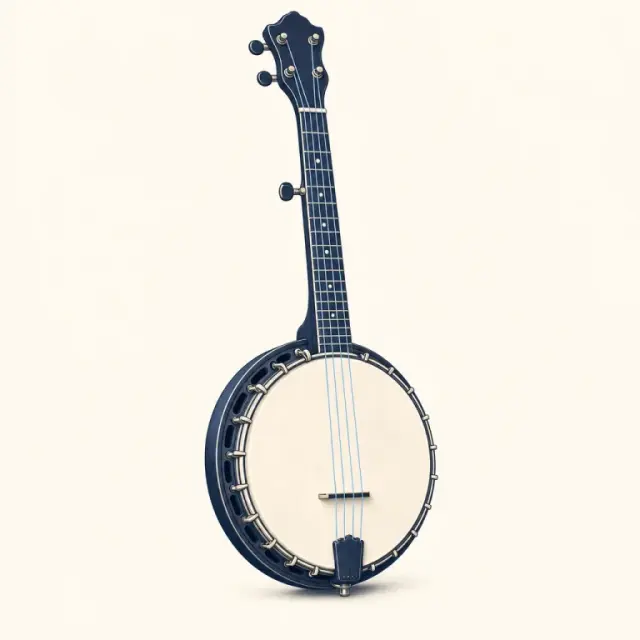
The 5-string banjo is tuned to a G major chord. The short 5th string — the high g — starts at the fifth fret. Tap a string or any fret to hear it.
Tap any fret to hear the note (the 5th string starts at fret 5)
Two things make banjo chords different from guitar chords: the strings are already tuned to a chord, and one of them is a high drone string that only starts at the fifth fret.
G
g · D · G · B · D
With nothing fretted, the five strings spell G–B–D — one reason so many bluegrass and old-time tunes are in G.
G
g4 — the drone note
The 5th string is the highest note on the banjo even though it sits on the bass side. You rarely fret it; the thumb plucks it as a drone between the other notes.
C
Barre at fret 5 = C major
The open strings form a major chord, so one finger across strings 1–4 gives another: fret 5 is C, fret 7 is D, fret 2 is A.
Banjo players rarely strum. They hold a chord and pick it with thumb (T), index (I) and middle (M) in repeating eight-note rolls. Tap play to hear each one at a medium tempo.
G
| Picking hand | T | I | M | T | I | M | T | M |
|---|---|---|---|---|---|---|---|---|
| String | 3 | 2 | 1 | 5 | 2 | 1 | 5 | 1 |
Thumb, index, middle — always moving toward the 1st string — with the thumb jumping back to the 5th string. The most common roll in Scruggs-style picking.
C
| Picking hand | M | I | T | M | I | T | M | I |
|---|---|---|---|---|---|---|---|---|
| String | 1 | 2 | 3 | 1 | 2 | 3 | 1 | 2 |
Middle, index, thumb: the same three fingers in reverse, moving from the high strings down. It works well over a C chord and at the end of phrases.
Em
| Picking hand | T | I | T | M | T | I | T | M |
|---|---|---|---|---|---|---|---|---|
| String | 3 | 2 | 5 | 1 | 4 | 2 | 5 | 1 |
The thumb plays every other note, alternating between the inner strings and the 5th string, while index and middle fill the gaps. Steady and easy for beginners.
The first shape of all 84 banjo chords as fret numbers, from the short 5th string to the 1st — a compact 5-string banjo chord chart. Tap a cell to hear it.
| Root | Major | Minor | 7 | maj7 | m7 | sus4 | 5 (power) |
|---|---|---|---|---|---|---|---|
| C | |||||||
| C♯ | |||||||
| D | |||||||
| E♭ | |||||||
| E | |||||||
| F | |||||||
| F♯ | |||||||
| G | |||||||
| A♭ | |||||||
| A | |||||||
| B♭ | |||||||
| B |
Frets from the 5th string (g) to the 1st (D) · x = muted · 0 = open
The banjo’s ringing open strings and rolls come out of a long American history.
The banjo descends from gourd lutes brought to the Americas by enslaved West Africans. By the 1840s the 5-string banjo, with its short drone string, was the star of parlour and stage music.
In 1945 Earl Scruggs joined Bill Monroe’s band with a three-finger roll style that made the banjo the engine of bluegrass. Those rolls are built on the chord shapes on this page.
Old-time players use clawhammer: a downstroke with the back of a fingernail, with the thumb catching the 5th string. The banjo chords stay the same; only the right hand changes.
Banjo chords ring loud and long, so small setup details are easy to hear.
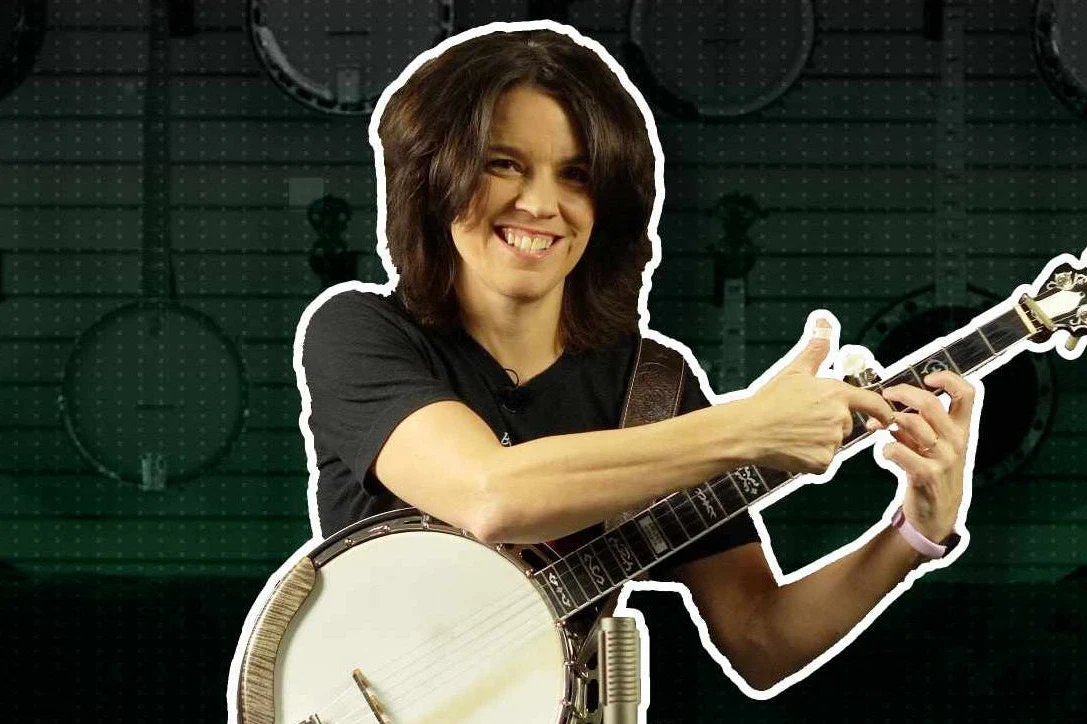
Tune g D G B D with a clip-on tuner, then strum the open strings: a sweet G major means you are ready.
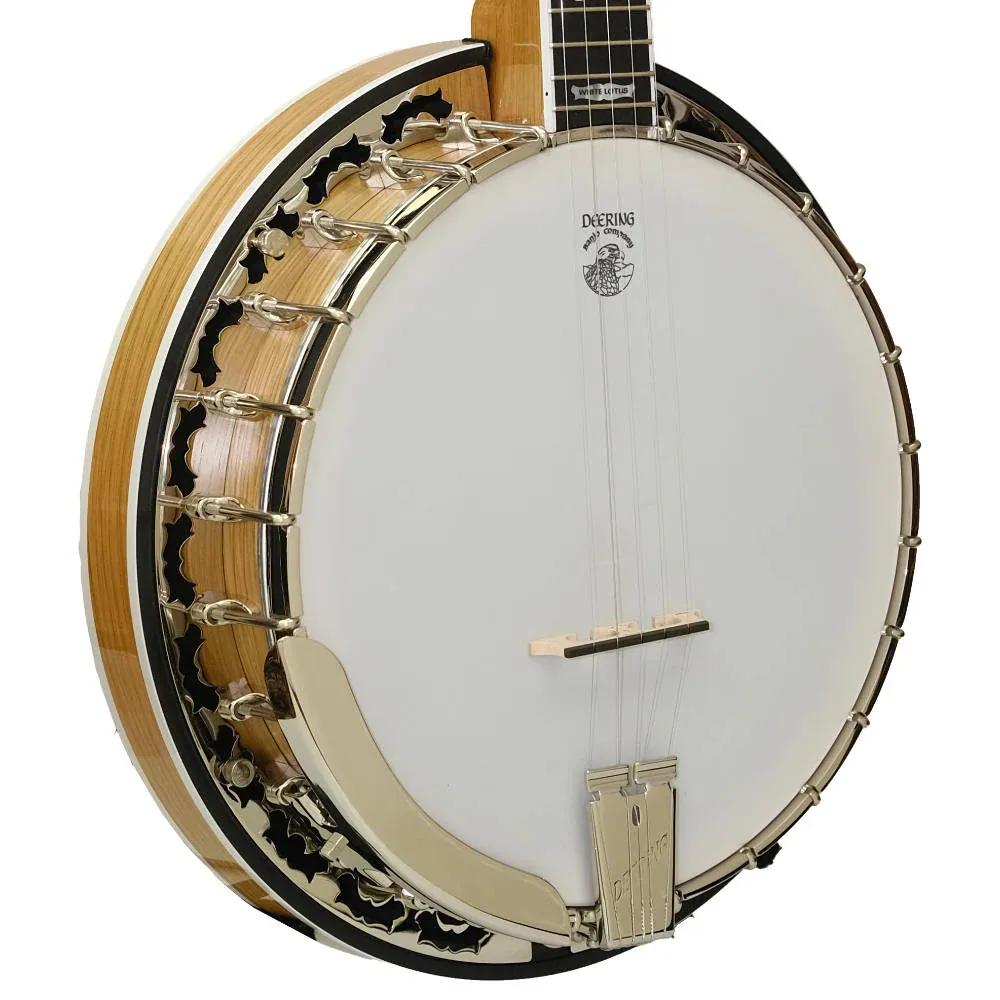
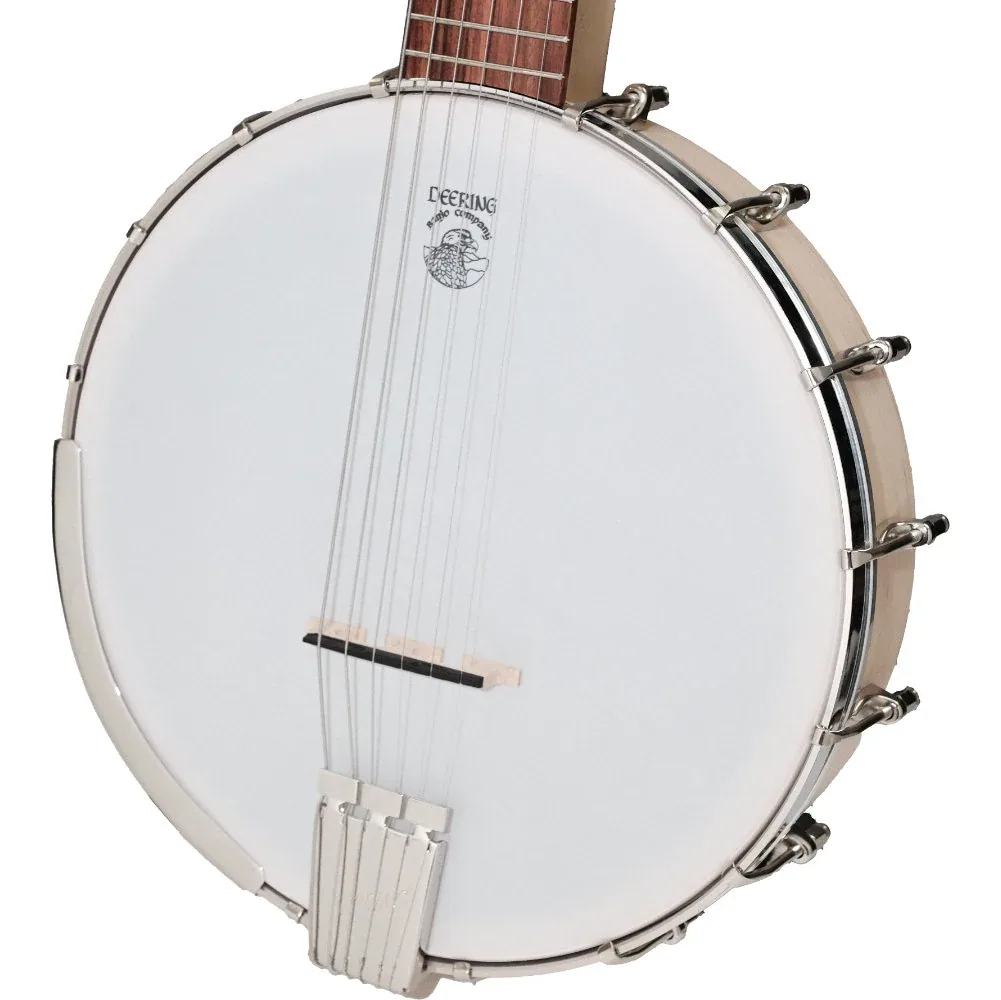
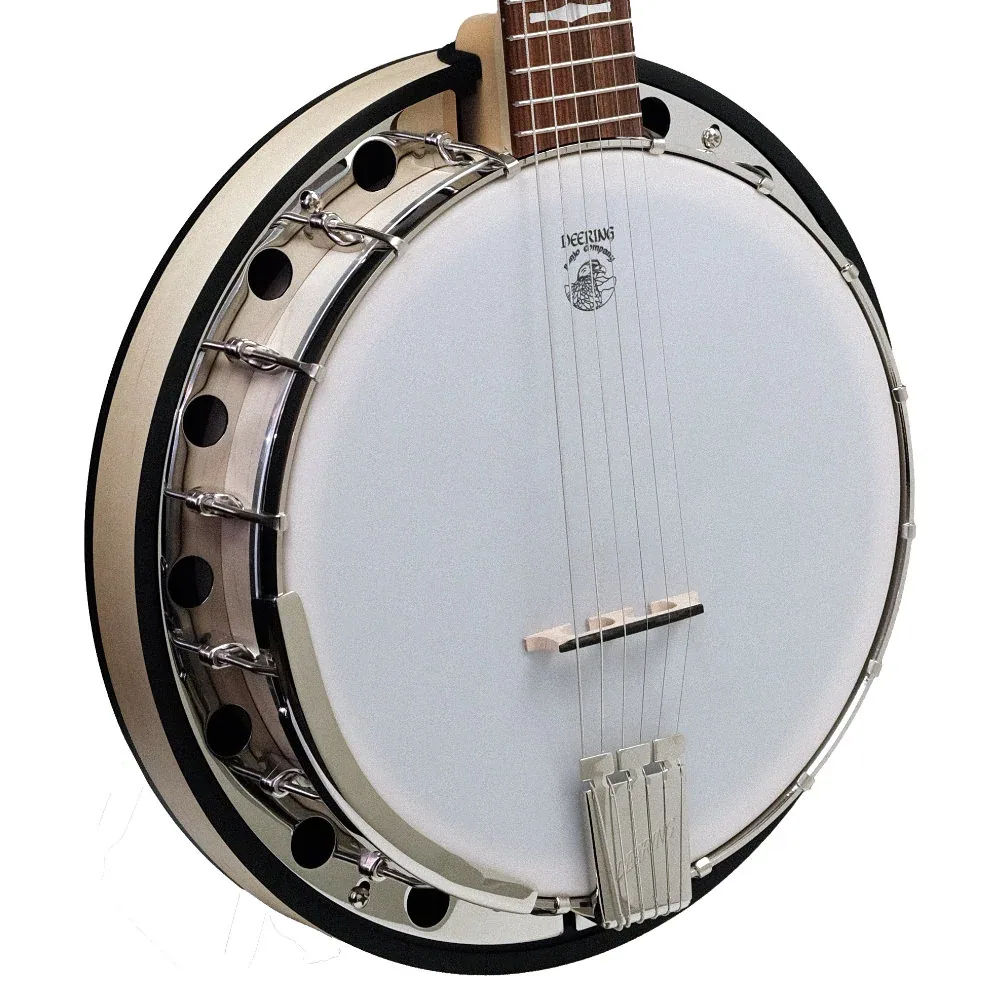
A resonator banjo is loud and bright for bluegrass; an open-back is lighter and mellower for clawhammer. Both use the same chords.

Bluegrass players wear a plastic thumb pick and two metal finger picks. Bend them to fit snugly so they don’t slip mid-roll.
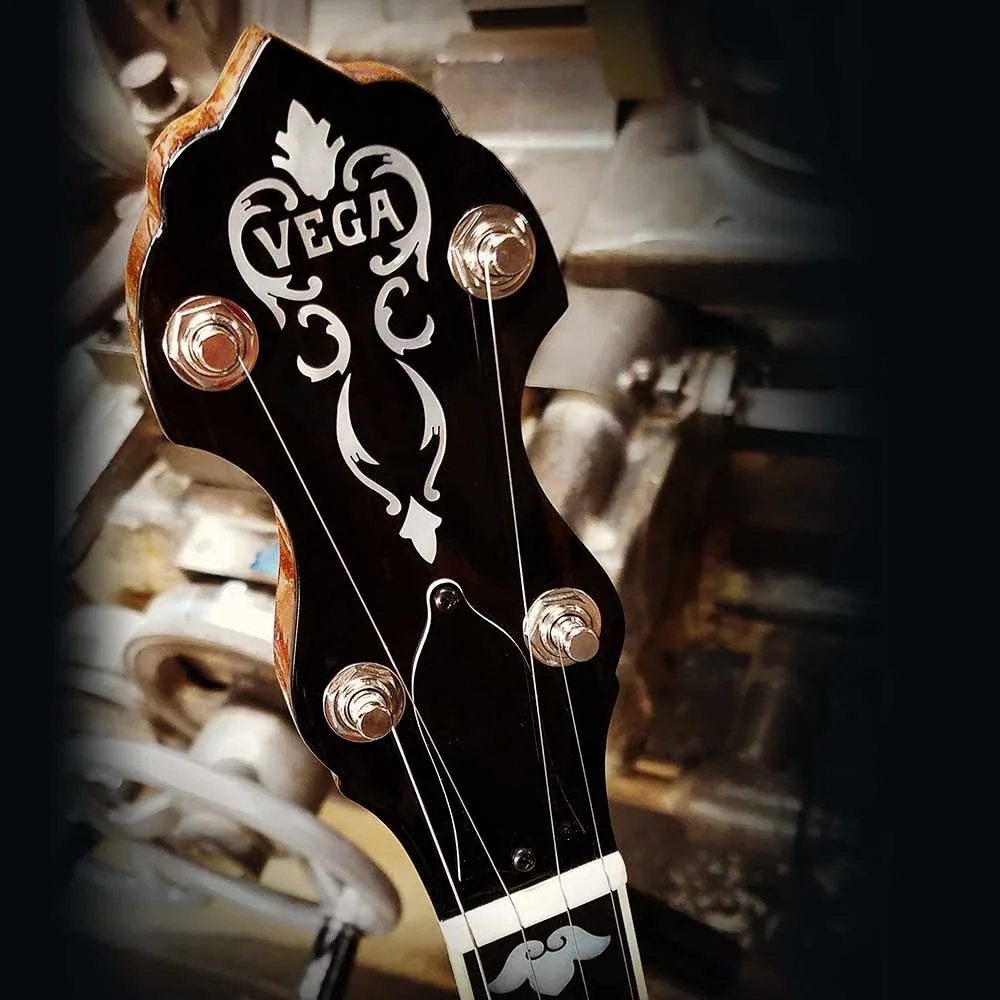
A loose drum head makes every chord dull and boomy. If the bridge sinks or the tone goes flat, have a shop tighten the head.
Banjo chord diagrams show all five strings, short 5th string on the left.
Resonator banjos at a bluegrass jam, open-back banjos on the porch — the banjo chords are the same, only the picking changes.


Learn the six beginner banjo chords, or open the chart for another instrument.
G, C, D7, Em, Am and F with roll practice and a 4-week plan
Beginner banjo chordsEvery chord, six instruments
Every root and chord type for six instruments, with diagrams and sound.
Open the chord library
Short answers about chords on the 5-string banjo.
Open G, C, D7, Em, Am and F with rolls you can hear and a 4-week plan.